
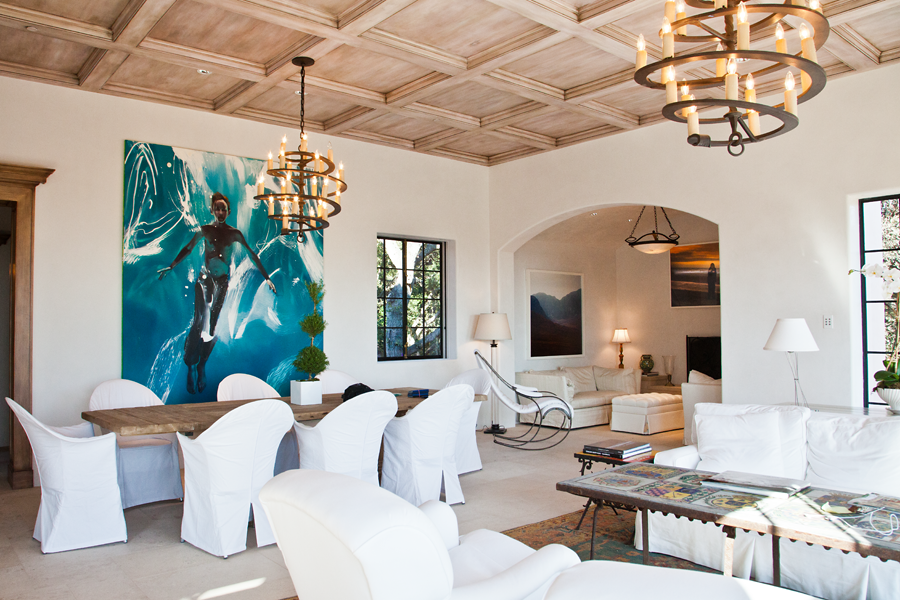
How Textured Wall Finishes Elevate Interior Spaces
In interior design, walls are often treated as a background — painted, finished, and forgotten. But in thoughtfully designed spaces, walls play a much bigger role. They influence mood, light, and how a space is experienced. This is where textured wall finishes come in.
Using mineral-based materials such as Venetian plaster and lime-based finishes, texture becomes more than decoration. It becomes part of the architecture. Brands like Vasari are often referenced in design conversations because they work with these traditional materials, refined for modern interiors.
1. Adds Depth Through Light and Shadow
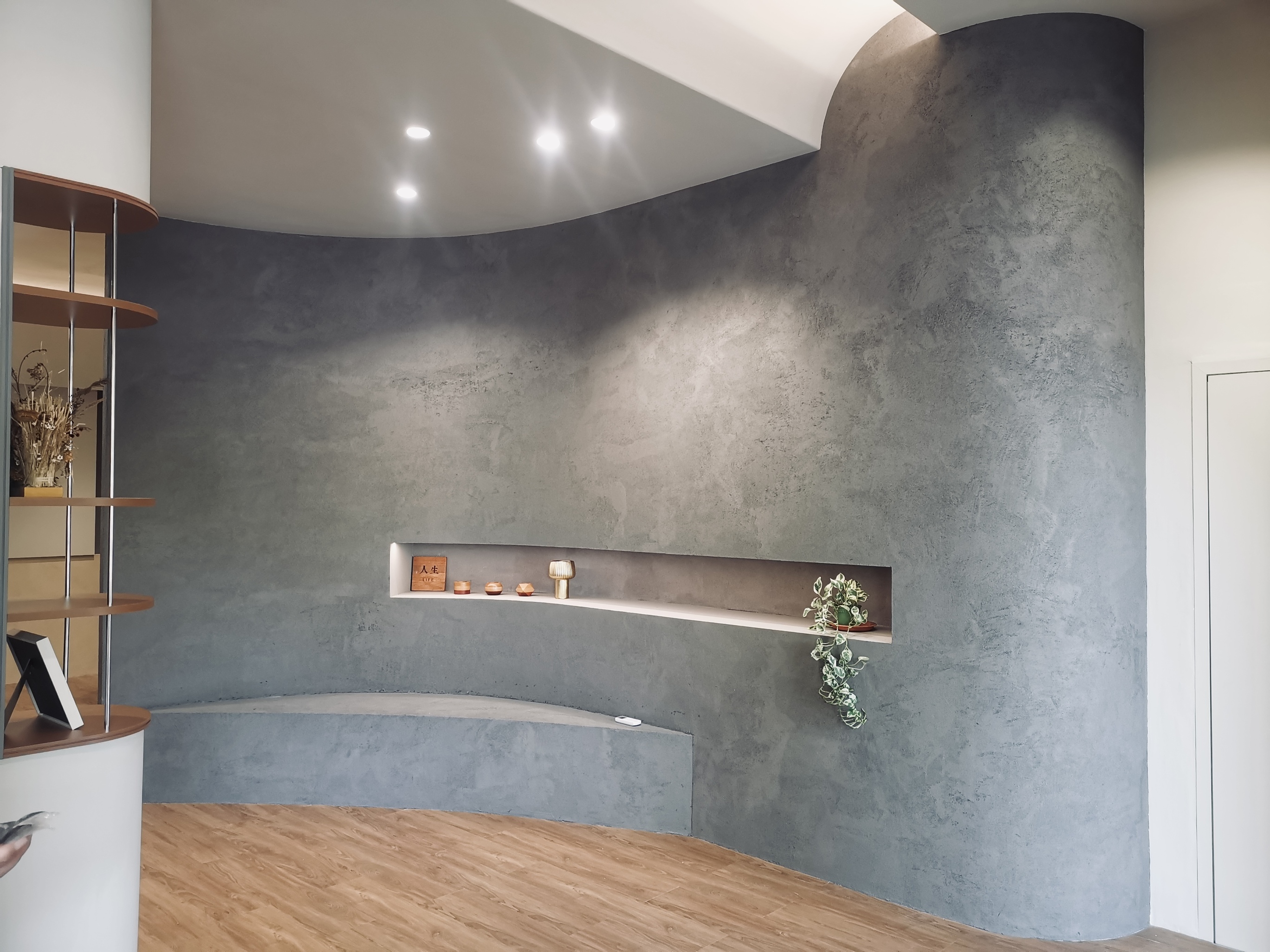
Textured finishes reflect light differently from flat paint. Subtle movement in the surface creates natural highlights and shadows that shift throughout the day.
Venetian plaster, for example, is known for its soft variation and depth, especially when applied in thin, layered coats.
The wall feels alive, not flat.
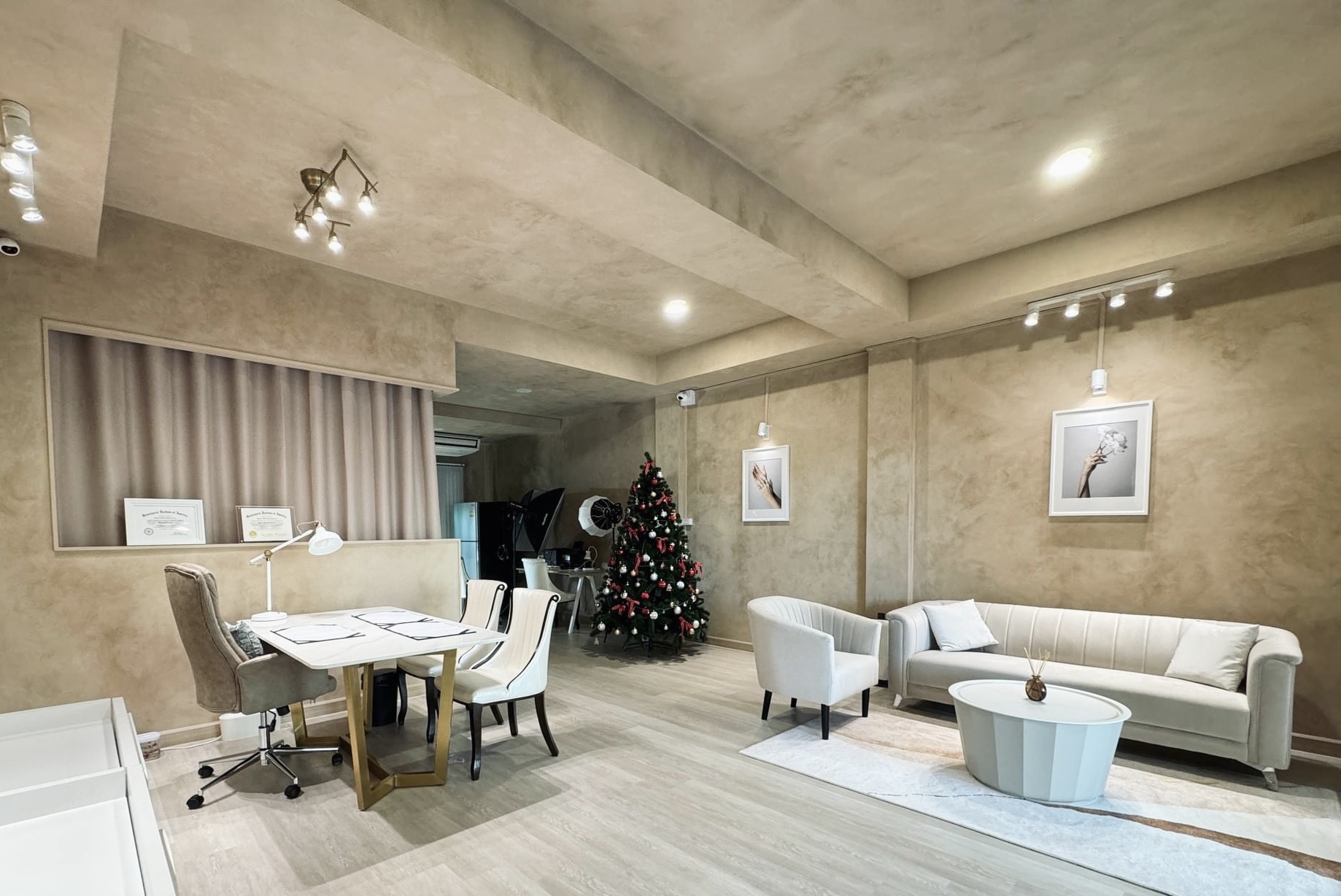
2. Creates a Calm, Elevated Atmosphere
Lime-based wall finishes produce a naturally soft and organic appearance. The texture feels grounded and understated, making spaces feel calm rather than overly designed.
This is why such finishes are often seen in living rooms, bedrooms, and hospitality interiors where atmosphere matters.
Rather than shouting for attention, the wall supports the space quietly.
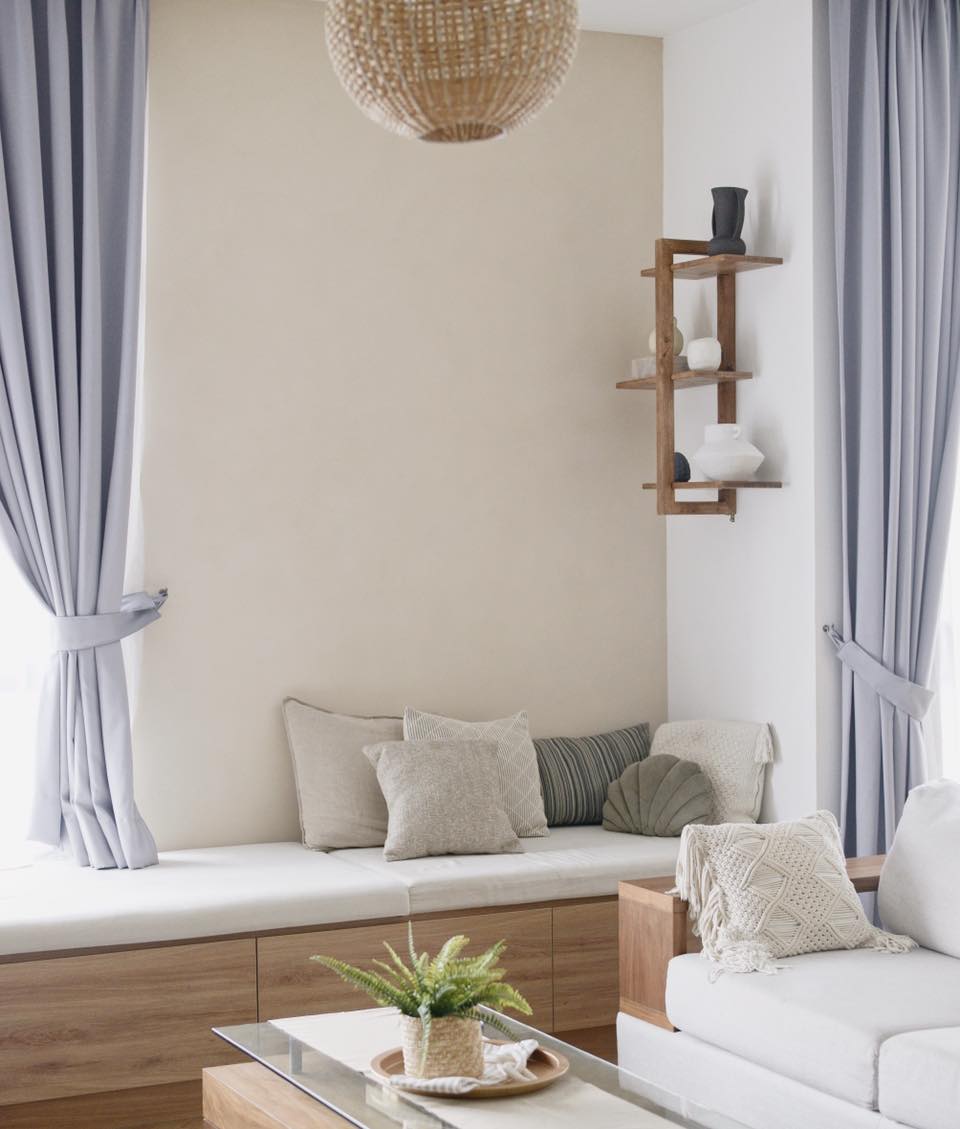
3. Elevation Without Excess
Textured plaster allows interiors to feel luxurious without relying on bold colours, patterns, or heavy decorative elements.
A single textured wall can replace wallpaper, feature panels, or multiple layers of décor — achieving a refined look through material quality alone.
This approach fits naturally into modern and minimalist design philosophies.
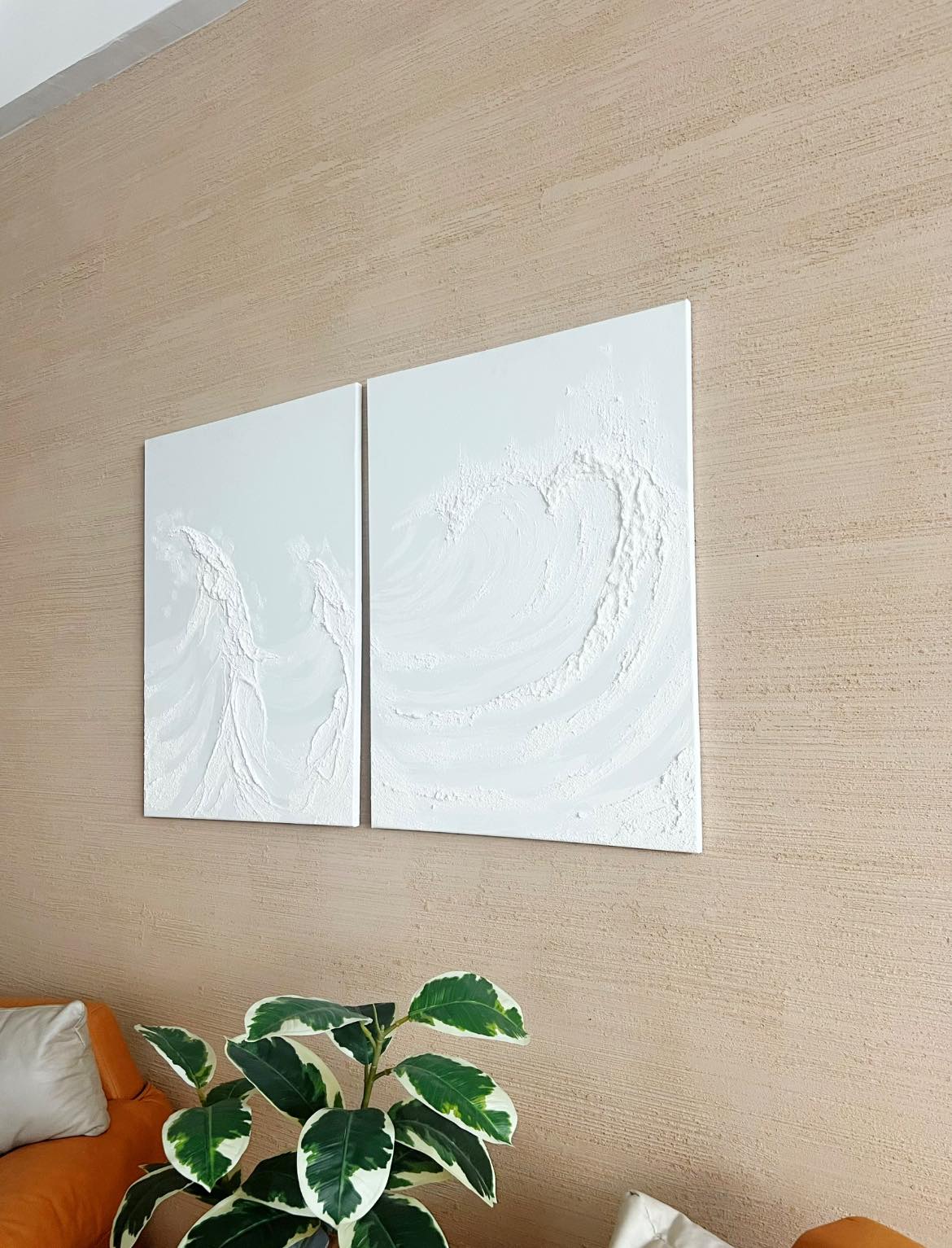
4. A Timeless Alternative to Conventional Paint
Unlike standard paint, mineral wall finishes age with character. Over time, they develop subtle variations that add depth rather than deterioration.
Venetian plaster and lime finishes have been used for centuries, which is why they continue to feel relevant in contemporary spaces today.
Texture doesn’t date easily.
5. Craftsmanship You Can Feel
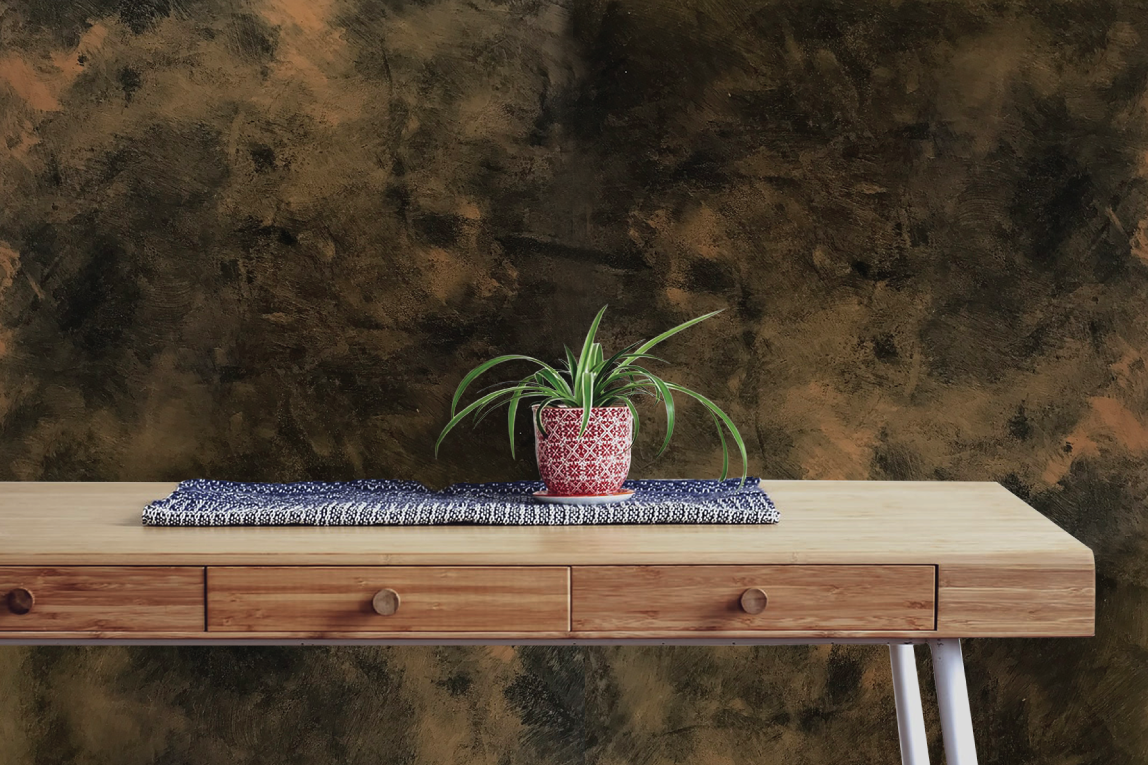
Textured wall finishes are applied by hand. Every movement, pressure, and layering technique contributes to a unique surface.
This human element gives each wall its own identity — something factory-finished surfaces cannot replicate.
It’s not just a wall finish; it’s a crafted surface.
6. Subtle Zoning in Open Spaces
In open-plan layouts, texture can help define different zones without physical partitions.
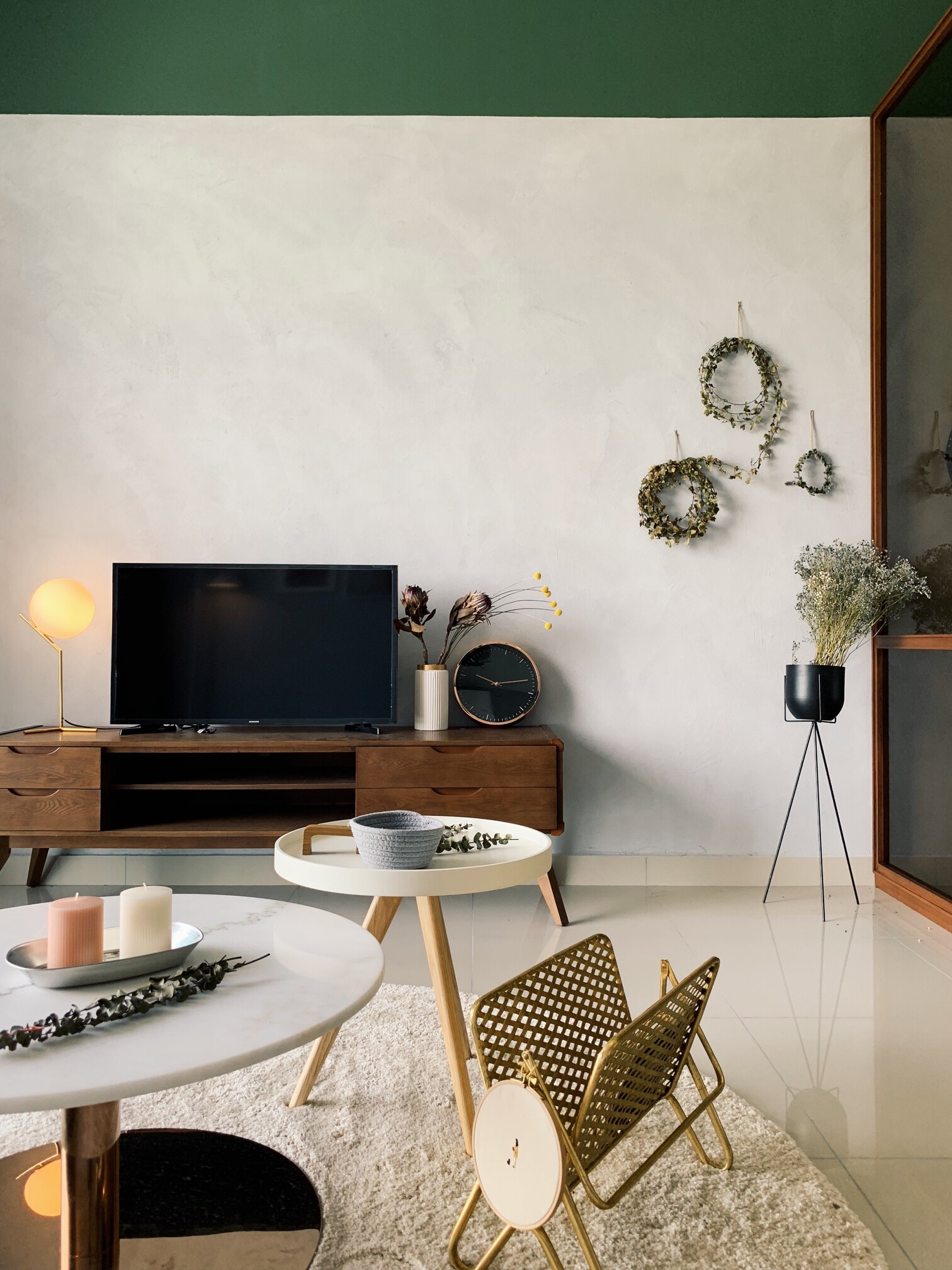
A textured wall behind a sofa, dining area, or bed headboard creates visual focus while keeping the space open and connected.
Design remains fluid, not boxed in.
Final Thoughts
Textured wall finishes shift walls from being passive backgrounds to active design elements. Through mineral-based materials like Venetian plaster and lime finishes — often represented by brands such as Vasari — interiors gain depth, warmth, and longevity.
When thoughtfully applied, texture becomes a quiet luxury that elevates a space without ever feeling forced.