
Venetian Plaster vs Limewash: Which Is Right for Your Home
Choosing the right wall finish can make a significant difference to the overall look and feel of your home. Beyond conventional paint, decorative finishes such as Venetian plaster and limewash offer a more natural appearance, introducing texture, depth and character to interior spaces.
Both finishes are popular in contemporary interior design, particularly among homeowners who appreciate organic textures and understated elegance. However, they create different visual effects and suit different design preferences.
So, when comparing Venetian plaster vs limewash, which one should you choose? Let's explore their differences to help you find the right finish for your home.
What Is Venetian Plaster?
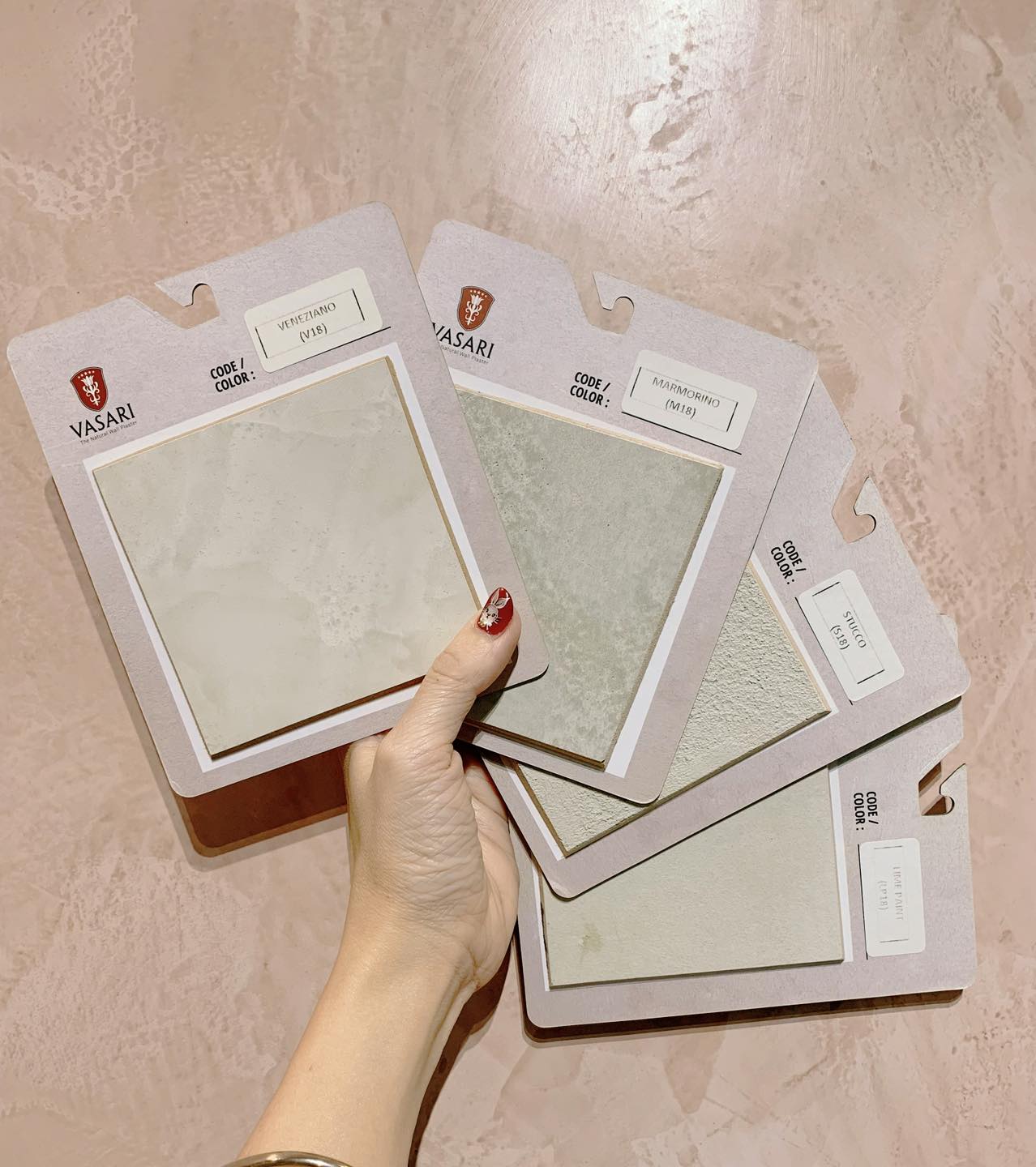
Venetian plaster is a decorative wall finish traditionally made from lime and marble dust. Applied in multiple thin layers, it creates a surface with depth, subtle tonal variation and distinctive character.
Depending on the product and application technique, Venetian plaster can achieve different appearances, from smooth and refined to textured and stone-like.
At Vasari Malaysia, finishes such as Veneziano and Marmorino offer different design possibilities. Veneziano creates a smooth, refined appearance with the option of a polished finish, while Marmorino offers a more textured, natural stone-inspired look.
Venetian plaster is particularly suitable for feature walls, living rooms, bedrooms and spaces where the wall itself becomes part of the interior design.
What Is Limewash?

Limewash is a lime-based wall finish known for its soft, matte appearance and natural colour variation.
Unlike conventional paint, which generally creates a more uniform layer of colour, limewash produces a cloudy, layered effect. Overlapping brush strokes create subtle shifts in tone, giving walls a relaxed and organic character.
The beauty of limewash lies in its natural imperfections. Rather than creating a perfectly uniform surface, it introduces movement and depth through variations in colour and application.
Vasari Limewash is suitable for homeowners who prefer understated interiors, natural colour palettes and a softer approach to wall design.
Venetian Plaster vs Limewash: Key Differences
Although both finishes offer an alternative to conventional paint, their appearance, texture and application are quite different.
Venetian Plaster
-
Appearance: Refined, layered and stone-like.
-
Texture: Can range from smooth to textured.
-
Sheen: Available in matte to polished finishes, depending on the product.
-
Application: Applied in multiple thin layers using plastering tools.
-
Best for: Modern, classic and luxurious interiors.
Limewash
-
Appearance: Soft, cloudy and naturally varied.
-
Texture: Subtle surface variation with visible brushwork.
-
Sheen: Typically matte.
-
Application: Applied in overlapping coats using brushes.
-
Best for: Japandi, Scandinavian and Mediterranean interiors.
The main difference comes down to the atmosphere you want to create. Venetian plaster offers a more defined, architectural appearance, while limewash creates a softer and more relaxed visual effect.
Which Finish Is Better for Your Home?
The right choice depends on your interior design direction and how you want each space to feel.
Venetian Plaster for a Refined Interior
If you want to introduce a sophisticated focal point, Venetian plaster is an excellent option.
A smooth Veneziano finish can complement marble surfaces, elegant lighting and contemporary furniture. Meanwhile, Marmorino works beautifully with natural materials such as timber and stone, creating a more tactile appearance.
It is particularly suitable for feature walls, entrance areas and living spaces where you want the wall finish to stand out.
Limewash for a Soft, Natural Interior
If you prefer a more relaxed and understated atmosphere, limewash may be the better choice.
Its soft colour variations work well with neutral palettes, timber furniture and natural textures. It is particularly suitable for bedrooms, living rooms and dining areas where a calm and cohesive aesthetic is desired.
Both finishes can also be used together in different areas of the same home. For example, Venetian plaster can create a statement feature wall in the living room, while limewash provides a softer finish in the bedroom.
What Should You Consider Before Choosing?
 Before deciding between Venetian plaster and limewash, consider these three factors:
1. Interior Design Style
Think about the overall look you want to achieve. Venetian plaster works well when you want a more refined or architectural finish, while limewash complements interiors that embrace natural textures and subtle colour variations.
2. Lighting and Surrounding Materials
Natural and artificial lighting can influence how a wall finish appears. Venetian plaster may reflect light differently depending on its sheen, while limewash creates visual movement through its tonal variations.
Consider your flooring, furniture and lighting before selecting a colour or finish.
3. Application and Surface Preparation
Both finishes require appropriate surface preparation and application techniques. Venetian plaster involves multiple layers, while limewash relies on overlapping application to achieve its characteristic appearance.
The substrate, primer requirements and recommended finishing treatments should always follow the selected product's specifications.
Frequently Asked Questions
1. Is Venetian plaster better than limewash?
Neither is universally better. Venetian plaster is suitable for homeowners who prefer a refined, layered or stone-inspired finish, while limewash is ideal for those who appreciate soft, matte walls with natural colour variation.
2. Can Venetian plaster and limewash be used together?
Yes. Both finishes can complement each other when used in different rooms or selected areas. Coordinating their colours and surrounding materials helps create a cohesive interior.
3. Is limewash suitable for modern homes?
Absolutely. Limewash works well with contemporary, minimalist, Japandi and Scandinavian interiors. Its natural colour variations add character without making the space feel overly decorative.
4. Can Venetian plaster be used in bedrooms?
Yes. Venetian plaster can be applied to bedroom walls, including feature walls behind the bed. The choice of finish depends on the desired appearance and overall bedroom design.
Final Thoughts: Which One Should You Choose?
When comparing Venetian plaster vs limewash, the best choice ultimately depends on your personal style and the atmosphere you want to create.
If you prefer a refined finish with depth, texture and a stone-inspired appearance, Venetian plaster is worth exploring. If you are drawn to soft, matte walls with natural colour variations, limewash may be the right fit.
At Vasari Malaysia, explore a range of decorative wall finishes, including Veneziano, Marmorino and Limewash, to discover the possibilities for your next interior project.